Freight protection doesn’t stop at void filler and air bags. There are many ancillary products that are necessary for successful shipping. At Sunrise Manufacturing, we stock a variety of these additional freight protection and packaging products so we can be your one-stop shop for the entirety of your transit protection system. Ready to discover the right freight protection for you? Contact our packaging experts today.
Fiber and Plastic Slip Sheets
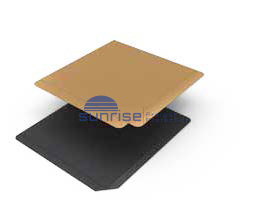
Slip sheets can be used when you want to replace pallets, cut freight weight, and free up trailer or boxcar space. A thin fiber or plastic sheet handled by push-pull equipment takes the place of the pallet, so you drop the dead weight. This enables you to carry more product per load and skip the cost and hassle of pallet return.

Best for
- High-volume shipments where pallet cost or pallet return is a recurring pain
- Imports and exports where reducing wood packaging helps
- Operations already running push-pull attachments or slip sheet handling
Install basics
- Use push-pull equipment and confirm the tabs face the correct direction before you pull
- Keep product centered on the sheet so the edges do not tear
- Pair with a stabilization method if the load can shift in transit
Chipboard
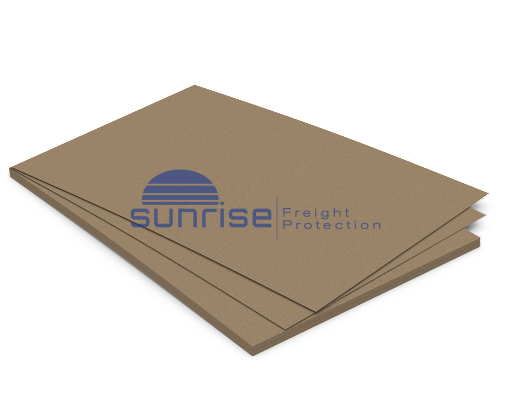
Chipboard is rigid sheet protection that spreads load, reduces abrasion, and shields edges and straps. When placed between product tiers and under strapping, it keeps stacked loads from crushing or chafing against each other in transit.

Best for
- Pallet sheets and pads for stacking strength
- Strap protection that stops strap cut-in
- Layer separation between product tiers
Packaging Tapes
Tape is often treated as an afterthought, but we can’t overstate its importance. Instead of choosing a standard roll, select a tape that fits your situation for the best results.


Tape selection by use
- Sealing tape for standard corrugated
- Reinforced tape for heavier cartons
- Specialty tape for cold or dusty environments
Best for
- Preventing carton failure on vibration-heavy routes
- Keeping unit loads intact when cartons are under compression
Common mistakes
- Applying tape to dusty or wet corrugate
- Using light tape on heavy cartons
- Skipping seam reinforcement on high-stress shipments
Corner Board
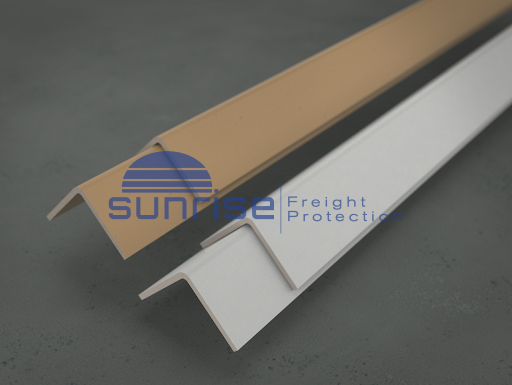
Corner board protects edges and improves stacking strength by spreading compression forces across the corners of a load. Strapping without it is how you end up with cut-in and crushed corners.

Best for
- Strapped palletized goods
- High stack loads and warehouse storage
- Protecting carton edges from strap damage
Install basics
- Place on the edges before strapping
- Run full vertical coverage on tall loads
- Pair with top caps where the load calls for it
Ty-Gard
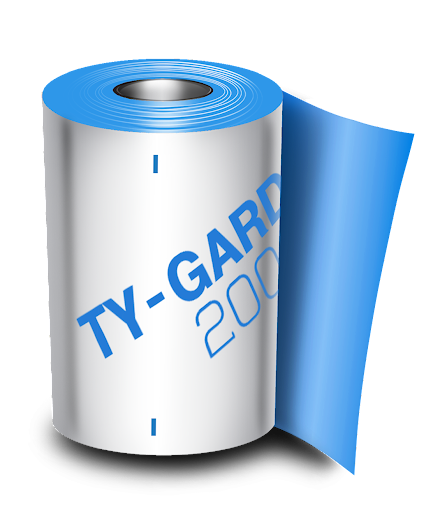
Ty-Gard is a flexible restraint system that secures loads inside railcars or trailers to reduce product movement and damage.

Best for
- Rail shipments where flexible restraint reduces movement
- Loads at risk of tip, shift, or impact
- Dangerous goods and general cargo where approved systems are required
Install basics
- Follow the restraint system instructions exactly
- Verify the attachment points are appropriate for the load
- Do not use it as a substitute for bracing where bracing is required
Contact Our Team for Customizable Solutions Today
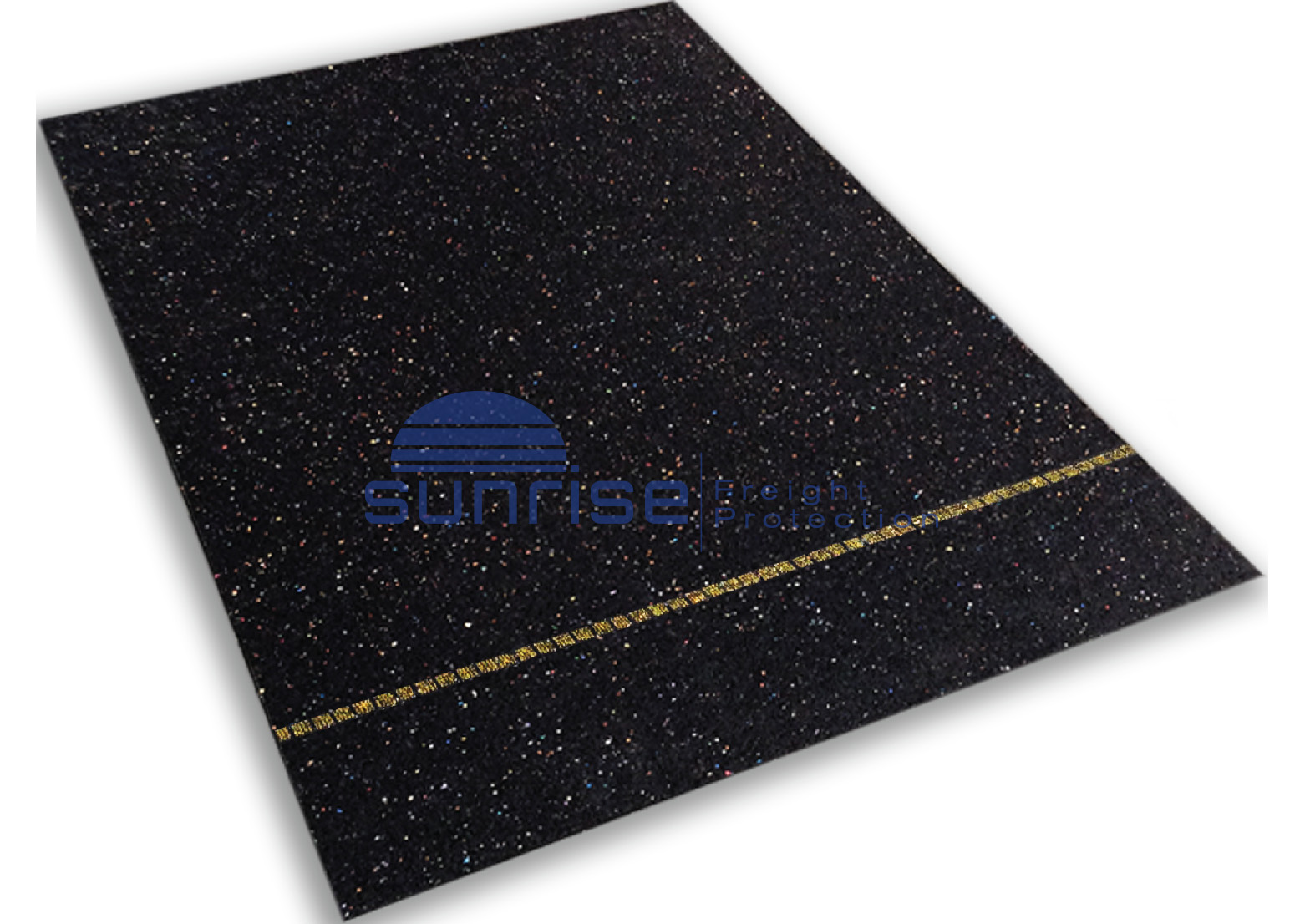
Transit Protection Matting
ZRO-SHIFT reduces sliding without nails or wood blocking, which protects both the trailer floor and the product. It is the answer when floor damage and nail holes keep turning up on the same lanes.

Best for
- Palletized case goods
- Roll paper
- Bulk bags
- Loads where floor damage and nail holes are a recurring issue
Install basics
- Clean the floor contact area first
- Cover the full load base with matting, not the corners alone
- Pair with bracing and void fill for end-to-end forces
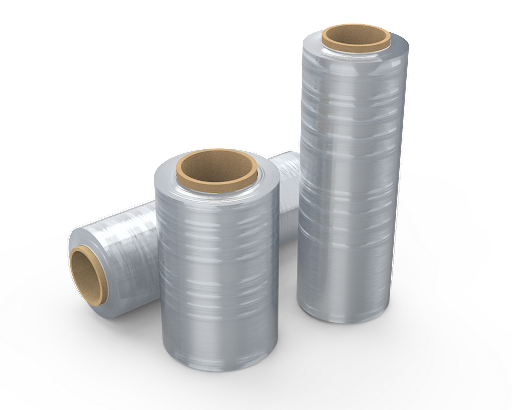
Stretch Film
Stretch film is meant to bundle a load, but it doesn’t secure one. Wrapped tight, it keeps cartons together through handling, but it does little against the forces that throw freight around inside a moving trailer. That is still a job for blocking and bracing.

Best for
- Keeping cartons stable on pallets
- Reducing carton scuffing
- Preventing minor shifting during handling
Common mistakes
- Using film to solve a void gap problem
- Wrapping too loose to get real unitization
- Wrapping unstable pallets without corner protection
Desiccants
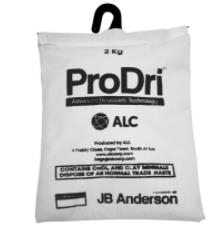
Desiccants cut condensation risk on long container moves and in high-humidity environments, which keeps moisture-sensitive freight out of trouble during long dwell times.

Best for
- Ocean containers
- Long dwell times in ports or yards
- Moisture-sensitive goods like paper, food packaging, and electronics packaging
Install basics
- Place where air circulates, not buried behind freight
- Combine with load securement; desiccants do not brace a load
- Monitor container conditions where you can
Non-Metallic Strapping
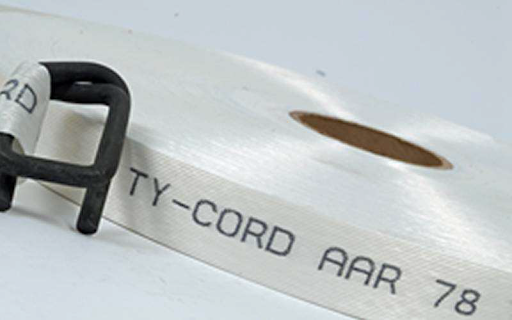
Non-metallic strapping unitizes and restrains a load for transit and delivers strong holding force where steel strapping is not wanted.

Best for
- Palletized goods that need unitization
- Loads where steel strapping is not desired
- Applications where AAR-approved systems are required
Install basics
- Use the correct edge protection to prevent cut-in
- Confirm tension and seal method for the strap
- Do not strap over sharp edges without corner board
Security Seals
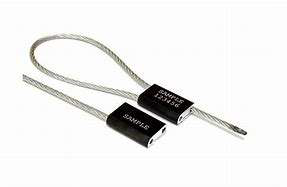
Security seals support tamper evidence and chain-of-custody. They show whether a load was opened between shipping and receipt, which is what auditors and high-value shippers want to see.


Best for
- Food and beverage shipments
- High-value loads
- Shipments with compliance or documentation requirements
Install basics
- Apply after loading and verification
- Record seal numbers in the shipment documentation
- Train receiving teams to check for tamper evidence
Not Sure Which Combination You Need?
Tell us the shipping mode, the load, and where it keeps getting damaged, and our team will spec the protection that holds it and keeps your line moving.
Supporting Products at a Glance
| Supporting Product | Main Purpose | Works Best For | Common Mistakes | Pairs With |
|---|---|---|---|---|
| Fiber and Plastic Slip Sheets | Replace pallets, cut weight and space, improve handling efficiency | High-volume shipments, exports and imports, push-pull operations, pallet cost reduction | No push-pull capability, wrong tab orientation, loads not centered, no load stabilization | Stretch film, transit protection matting, corner board |
| Chipboard | Spread compression forces, protect surfaces, prevent strap cut-in, separate layers | Pallet sheets and pads, strap and edge protectors, tier sheets between product layers | Too thin for the load, ignoring moisture exposure, no edge protection where straps contact | Non-metallic strapping, corner board, packaging tapes |
| Corner Board | Protect corners, and edges, improve stacking strength, prevent strap damage | Strapped pallet loads, stackable cartons, preventing edge crush | Too short for load height, misaligned placement, strapping cartons without protection | Non-metallic strapping, chipboard, stretch film |
| Transit Protection Matting (ZRO-SHIFT®) | Add friction to reduce sliding without wood blocking or nails | Palletized case goods, roll paper, bulk bags, eliminating trailer floor damage | No load stabilization, small strips instead of full contact, dirty floors reducing grip | Dunnage air bags, void fill, corner board |
| Stretch Film | Unitize cartons and items on a pallet, reduce handling shift | Stable pallets, short to medium routes, cartonized goods that need unitization | Treating film as bracing, wrapping too loose, skipping edge protection | Corner board, chipboard, packaging tapes |
| Desiccants | Reduce condensation risk, control humidity in closed environments | Ocean freight, long dwell times, humidity-sensitive products (paper, packaging, electronics) | Wrong placement, assuming desiccants replace securement, amount not matched to route | Ocean securement plan, void fill, security seals (chain-of -custody loads) |
| Non-Metallic Strapping | Unitize and restrain products for transit with approved systems | Palletized loads, rail and intermodal securement, applications needing strong restraint | No edge protection, wrong tensioning, incorrect tooling or seal method, unstable loads | Corner board, chipboard, Ty-Gard® (where applicable) |
| Security Seals | Tamper evidence, shipment integrity, chain-of-custody support | Trailers and containers, food and beverage, high-value loads, regulated or audited freight | Not documenting seal numbers, wrong seal type, applying before final verification | Packaging tapes, desiccants (ocean), freight protection SOPs |
| Packaging Tapes | Seal cartons, reinforce seams, prevent box failure in transit | Corrugated cartons, mixed loads, vibration-heavy routes | Taping dusty or wet surfaces, light tape on heavy cartons, skipping H-taping | Corrugated packaging, chipboard, stretch film |
| Ty-Gard® | Flexible restraint system to reduce load movement and damage | Rail and cargo securement where a restraint system is required, approved dangerous goods | Wrong attachment points, used as a substitute for bracing, inconsistent installation | Boxcar securement plans, non-metallic strapping, void fill |
Frequently Asked Questions
They are the supporting materials that keep a shipment stable and intact after you’ve chosen your primary securement approach. They reduce slipping, crushing, moisture, carton failure, and tampering.
Use slip sheets when you run push-pull handling and want to drop pallet cost, trailer weight, and warehouse space. They work best when the load is already stable and unitized.
Chipboard is flat sheet material for layer separation, pallet pads, and strap protection. Corner board is shaped for edges and corners to protect product and add stacking strength under compression.
No. Stretch film unitizes cartons and reduces small handling shifts. Strapping gives stronger restraint and higher holding force, which matters for heavier loads and approved securement systems.
Use matting when sliding keeps showing up, especially with palletized case goods, bulk bags, or roll paper. It reduces movement without wood blocking and avoids nail holes in trailer floors.
No. Desiccants reduce moisture and condensation risk, but they do not brace a load. Use them alongside void fill, bracing, and stabilization products.
Most of the time it’s caused by strapping applied without edge protection or corner reinforcement. Use corner board or chipboard protectors where straps contact cartons or finished goods.
Weak sealing or the wrong tape for the carton weight and route conditions. Use the right tape type, apply it correctly (often an H-tape pattern), and reinforce where vibration and compression are likely.
Use seals when you need tamper evidence, chain-of-custody documentation, or product identification, especially for food and beverage, high-value freight, or shipments with audit requirements.
Start with the shipping mode and the main risk: end-to-end impact, lateral shift, vibration, or moisture. Then build a system: bracing and void fill first, stabilization second, protection add-ons last. If the load is irregular, high-value, or keeps getting damaged, request a load plan.
Yes, and many shipments should. The most reliable setups use a system: void fill or bulkheads to remove free space, airbags to stabilize residual gaps, and supporting products to reduce failure points like edge damage and slipping.
Shipping mode, load type, approximate weight, void gap size, packaging type (cartons, drums, rolls), and any known failure patterns like sliding, corner crush, moisture, or shifting. That is enough to recommend a starting configuration fast.
Sunrise Manufacturing is Your One-Stop Shop for All Freight Securement Products
At Sunrise Manufacturing, we aim to provide our customers with a complete freight securement system. From corrugated packaging to air bags to additional freight protection and packaging solutions, we have it all. Our team is happy to work closely with you to help design the best system for your product and shipping modality.
Contact our team to see what freight securement solution we can design for you.