1-800-748-6529
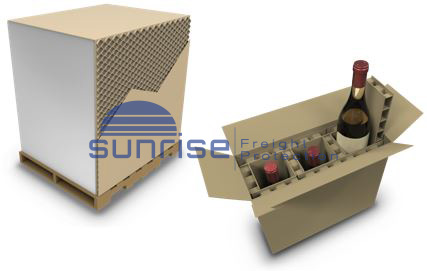
Open corrugated wine shipping box with Small Cell divider inserts holding multiple wine bottles upright for safe transport

Interior packaging solutions keep products from shifting, rattling, and taking impact inside the carton or crate. The right design depends on three things: how your product fails in transit (scuffing, corner crush, breakage), how it’s packed, and how it’s shipped.

Sunrise builds interior packaging from corrugated and honeycomb materials, including die-cut trays, caps, boxes, and custom inserts designed to fit your product and your process. If you’re seeing repeat damage or inconsistent pack-outs, we can help you dial in a design that holds up.

Ready to choose the right interior packaging? Talk to our packaging experts.

Quick Answer: What interior packaging should you use

  • Use die-cut inserts when the product needs a snug fit and repeatable placement.
  • Use partitions/dividers when you’re shipping multiple units per box and need separation.
  • Use pads and liners when you’re preventing abrasion, edge crush, or top-load damage.
  • Use trays when you want fast packing and stable stacking through handling.
  • If your product is fragile, high-value, irregular, or ships in mixed modalities, request a custom design.

Interior packaging types and when to use them

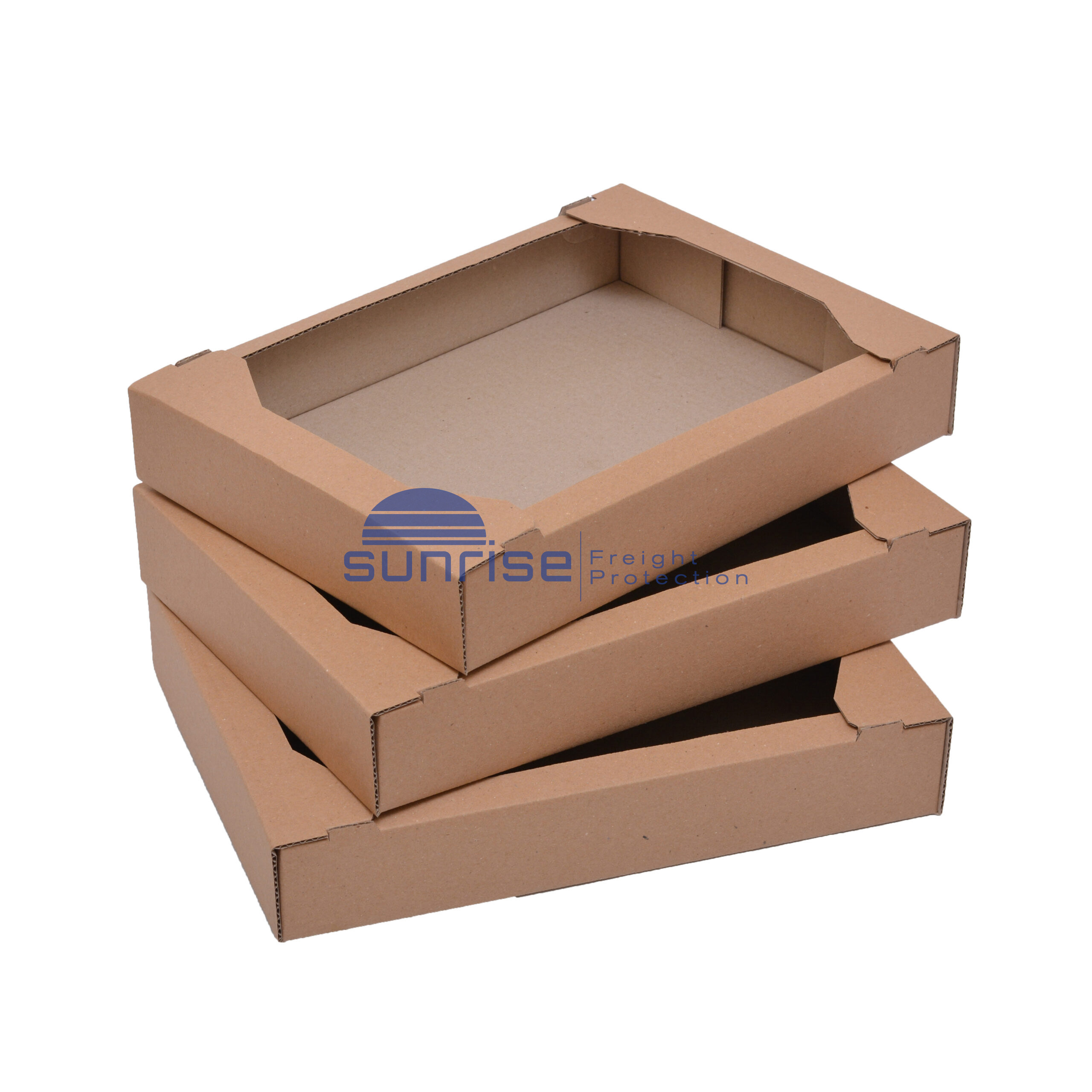
Sunrise corrugated die cut packaging lineup — mailer box with inserts, corner-capped pallet loads, folding box, and branded blue retail boxes

Corrugated die cut packaging (trays, boxes, caps)

Corrugated die cut packaging is a critical component in keeping products protected through the duration of transit. Its recyclable and durable material is highly customizable, making it the perfect choice for a wide variety of product types.

Best for:

  • Multi-unit packing that needs consistent positioning
  • Products that scuff or chip when they contact each other
  • Operations that need faster pack-out and fewer packaging steps

Specs that matter:

  • Board strength tier (light/medium/heavy)
  • Fit tolerance (snug vs clearance for fast packing)
  • Compression and stacking requirements
  • Moisture exposure (if applicable)

Our team offers corrugated die cut products in a range of formats to best support your needs. Some of our options include:

  1. Trays – Hold multiple units in fixed positions for easier handling and less movement.
  2. Boxes/Inserts – Add structure inside a larger carton when orientation and separation matter.
  3. Caps – Stabilize the top and reduce shifting under compression and vibration.

And More – Not sure what’s best for your products? Our expert team can support you with completely custom corrugated internal packaging.

Sunrise Small Cell product lineup — corrugated void filler, honeycomb wedge panels, full pallet wrap, perforated void filler, and wine bottle cell divider box

SUNRISE SMALL CELL™ honeycomb interior packaging

SUNRISE SMALL CELL™ is available in a unique honeycomb structure that helps you protect your products by stabilizing them and filling necessary gaps. It’s available in a wide variety of compression strengths based on your product type and unique application.

Best for:

  • Cushioning and impact reduction
  • Corner and edge protection
  • Filling internal gaps without adding heavy materials

Specs that matter:

  • Compression strength tier (match to product weight and stack load)
  • Contact coverage (full surface contact beats point contact)
  • Moisture exposure considerations (if relevant)
  • Recyclable

We use this advanced internal packaging material within an array of formats to serve all your packaging needs, including:

  1. Protective Padding – Cushion impact and reduce vibration transfer.
  2. Corner Protectors  – Reinforce vulnerable edges and reduce corner crush.
  3. Void Filler – ill internal gaps to prevent movement inside the carton.
  4. Die Cut
  5. Custom shapes for repeatable fit and pack-out.

Checklist: Before you finalize an interior packaging design

  • Confirm product dimensions and weight range
  • Identify the real failure mode (rattle, edge crush, abrasion, puncture)
  • Confirm shipping mode (OTR, intermodal, boxcar, ocean)
  • Confirm pack process constraints (speed, labor, orientation)
  • Validate with a sample or prototype before a full run

Inserts vs Trays vs Partitions vs Honeycomb

Interior packaging type Best for Watch out for Typical use
Die cut trays Fast packing, repeatable placement, multi-unit shipments Wrong fit causes movement or crushing Cans, small packaged goods, parts
Die cut caps Top-load stability, stack strength, reduced vertical shifting Not enough side restraint if used alone Palletized cartons, stacked loads
Die cut inserts/boxes Controlled orientation, separation, higher protection Overly tight fit slows packing Fragile or high-value items
Honeycomb padding Impact cushioning, vibration dampening Point contact reduces performance Sensitive surfaces, finish protection
Honeycomb corner protectors Corner crush and edge protection Misalignment leaves corners exposed Appliances, furniture components
Honeycomb void fill (internal) Filling internal gaps and stabilizing pack-out Not a substitute for pallet-level bracing Irregular products, mixed packs

What is interior packaging?

Interior packaging is the material inside a carton, crate, or shipping unit that holds your product in place and protects it from impact, vibration, and abrasion. It includes inserts, trays, caps, partitions, padding, and corner protection designed to match your product and pack-out process.

What’s the difference between interior packaging and void fill?

Interior packaging protects the product inside the carton by controlling movement, orientation, and contact points. Void fill is typically used to eliminate empty space around freight inside a trailer, container, or railcar, helping prevent load shift at the shipment level. Many shipments use both: interior packaging for product-level protection and void fill for in-transit stability.

When should I use trays vs inserts?

Use trays when you need fast, repeatable packing of multiple units and consistent placement for handling and stacking. Use inserts when the product needs a tighter fit, controlled orientation, or separation from other items to prevent rubbing, chipping, or breakage. If packing speed is the priority, trays usually win. If protection and precision are the priority, inserts are often the better choice.

What is die cut packaging used for?

Die cut packaging is used to create custom shapes in corrugated or other paper-based materials so packaging fits a product more precisely. It’s commonly used for trays, caps, partitions, and inserts that keep products stable, reduce movement, improve pack-out consistency, and help protect against common transit damage.

How do I prevent product movement inside the carton?

Start by designing for full support, not just a few contact points. Use trays, inserts, partitions, or padding that hold the product in a repeatable position and limit free space. If movement still happens, the fix is usually one of three things: tighten the fit, improve separation between units, or add cushioning at impact points.

What materials are best for sustainable interior packaging?

Paper-based materials like corrugated and honeycomb are often strong choices because they can be recyclable and deliver high strength-to-weight protection. The best option depends on your product weight, fragility, and shipping environment. If sustainability is a priority, choose a design that reduces damage and rework first, then optimize material choices from there.

Does interior packaging change for intermodal or ocean shipping?

Yes. Intermodal and ocean routes usually add longer transit time, more handling events, and higher exposure to vibration and moisture. Interior packaging often needs stronger compression performance, better edge protection, and more stable fit to handle cumulative wear. If the shipment faces humidity or condensation risk, material choice and protective layering become more important.

What information do you need to quote interior packaging?

To quote accurately, Sunrise typically needs: product dimensions and weight, fragility or damage history, pack-out configuration (units per box, orientation), carton size and style, shipping modality, and any process constraints like packing speed or automation. Photos of the product and current packaging help speed up recommendations.

Can I combine honeycomb padding with die cut corrugated trays?

Yes. Combining honeycomb padding with die cut trays is a common way to improve protection without overcomplicating packing. Trays handle placement and repeatability, while honeycomb padding or corner protection reduces impact risk at vulnerable points. This hybrid approach is especially useful for heavier products or shipments that see higher vibration and handling stress.

Contact Sunrise for Quality Internal Packaging Solutions, Customized to Your Needs

At Sunrise, we’re committed to delivering the best shipping solutions for every customer, tailored to your unique needs and industry. We don’t just focus on the exterior packaging and securement of your products, we take a look inside, too. Getting your product to its final destination and into your consumers’ hands without damage is our top priority.

We have more than 40 years of experience producing custom packaging and freight protection from the highest quality materials, and our expertise helps our customers achieve better results. We also partner with industry leaders like the AAR to ensure we stay on the cutting edge of safe shipping and our products meet every standard to protect your products. We have a wide variety of products we can mix and match to make sure your product is as secure as possible during transit.

When you’re ready to level up your product protection with our internal packaging solutions, contact us to explore your needs.